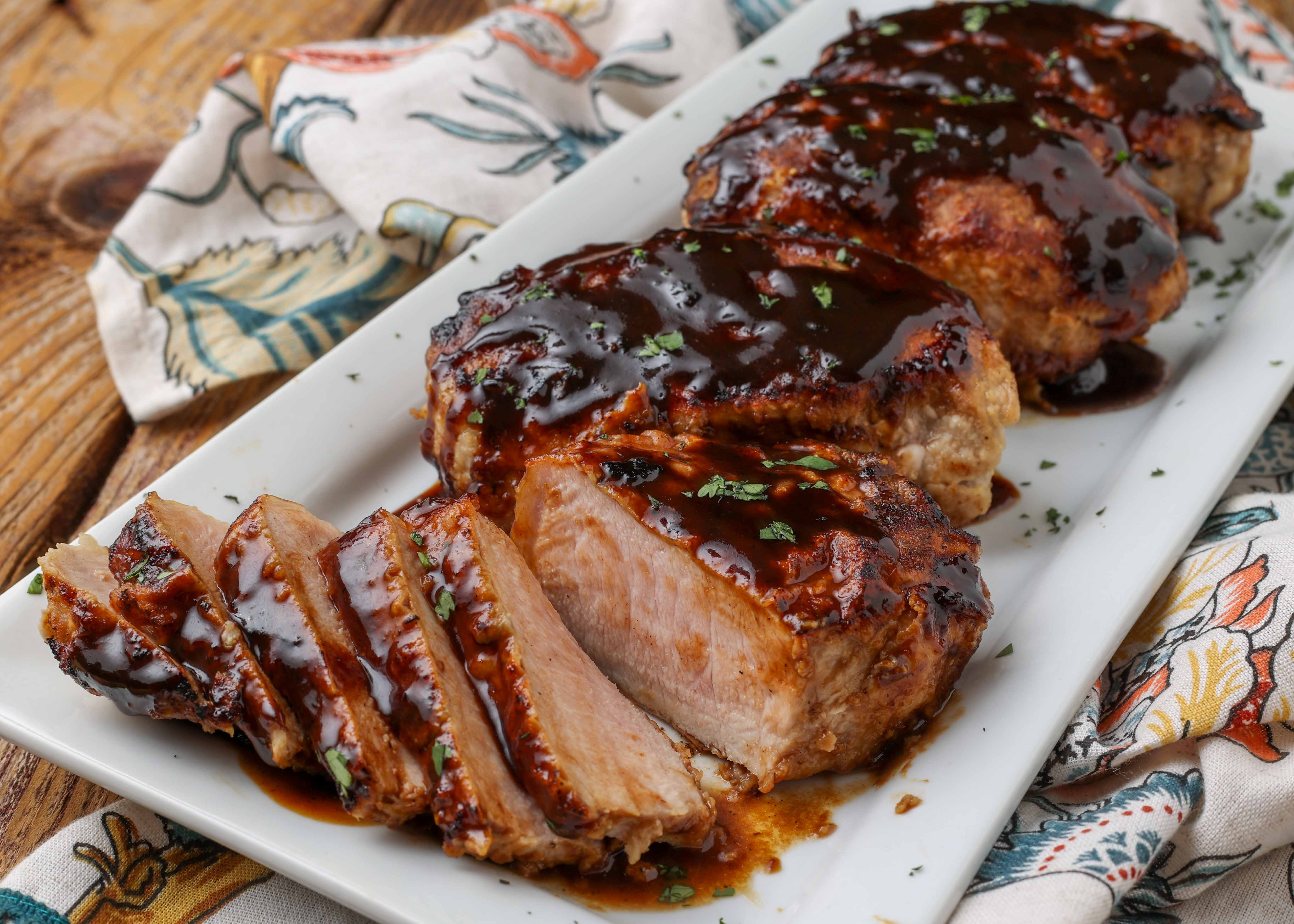
Balsamic Dijon Pork Chops: Mastering Your Meal, Bone-In or Boneless
Imagine a succulent, perfectly seared pork chop, glistening with a rich, tangy-sweet balsamic Dijon glaze – ready in under 20 minutes. Sounds like a dream, right? This isn't just a fantasy; it's the reality of a well-executed
balsamic dijon pork chops recipe, a true weeknight hero that consistently delivers restaurant-quality flavor with minimal fuss. But as you stand in the grocery aisle, a common question arises: bone-in or boneless? While both options yield delicious results, understanding the nuances of each can elevate your cooking and ensure a truly unforgettable meal.
The Irresistible Charm of Balsamic Dijon Pork Chops
Few flavor combinations are as harmoniously balanced and intensely satisfying as balsamic vinegar and Dijon mustard, especially when paired with the savory richness of pork. This dynamic duo transforms humble pork chops into a gourmet experience that even the pickiest eaters will rave about.
A Flavor Combination Born for Pork
The inspiration for these exquisite pork chops often stems from the undeniable success of dishes like balsamic Dijon ham, a testament to how beautifully these flavors complement pork. Balsamic vinegar, with its complex sweet, sour, and umami notes, cuts through the richness of the meat, while Dijon mustard adds a sharp, piquant kick and a creamy emulsifying quality to the glaze. Together, they create a mouthwatering symphony that’s both bold and comforting. It’s a combination that almost guarantees a clean platter at the end of the meal. What makes this recipe truly stand out, beyond its phenomenal taste, is its incredible speed. These
Easy Skillet Balsamic Dijon Pork Chops: Under 20-Minute Recipe are designed for busy evenings, promising a flavorful feast without the lengthy preparation.
From the first whiff as the glaze simmers to the final forkful, this dish captivates. It's a testament to how simple ingredients, thoughtfully combined, can create an extraordinary dining experience. The natural sweetness of the balsamic vinegar beautifully contrasts with the moderate acidity, while the mustard adds depth and a subtle spiciness, making every bite a delightful surprise.
Bone-In vs. Boneless: A Deep Dive into Your Pork Chop Choice
The choice between bone-in and boneless pork chops for your
balsamic dijon pork chops recipe is often a matter of personal preference, but each option brings distinct advantages to the table. While both cook surprisingly similarly, understanding these differences can help you select the ideal cut for your specific needs and desired outcome.
The Boneless Advantage: Convenience and Presentation
Boneless pork chops are undeniably convenient. They're quick to prepare, easy to portion, and simple to eat, making them a fantastic choice for families with children or anyone looking for a no-fuss meal. When sliced, boneless chops offer a clean, uniform presentation, perfect for plating or serving buffet-style. Their consistent meat structure can also make them excellent for quickly absorbing marinades, although the thick glaze in this recipe coats them beautifully regardless. While often perceived as cooking faster, the actual difference in cooking time compared to bone-in chops of similar thickness is often negligible. Their main draw remains their sheer ease of handling, from prep to plate.
The Bone-In Advantage: Flavor, Juiciness, and Texture
For many culinary enthusiasts, bone-in pork chops are the gold standard, and for good reason. The bone itself acts as a natural heat conductor, helping the meat cook more evenly and protecting it from overcooking. This often results in a noticeably juicier and more tender chop. Furthermore, the bone contributes to the overall flavor profile, imparting a subtle richness and depth that boneless cuts might lack. This "bone flavor" is subtle but distinct, adding another layer of complexity to your balsamic Dijon glaze. If you're aiming for that deeply satisfying, succulent bite, a bone-in chop is often the way to go, offering a rustic appeal that feels incredibly hearty and gourmet.
Cooking Considerations: Thickness Matters Most
Regardless of whether you choose bone-in or boneless, the single most critical factor influencing cooking time and the final outcome of your
balsamic dijon pork chops recipe is the thickness of the chops. Thicker chops, typically 1 to 1.5 inches, are ideal for searing as they allow you to develop a beautiful crust without overcooking the interior.
Always use a meat thermometer to test for doneness. The USDA's Food Safety and Inspection Service recommends a minimum safe internal temperature of 145°F (63°C) for pork, followed by a crucial 3-minute rest. This resting period is not optional; it allows the juices, which have been driven to the center of the meat by the heat, to redistribute throughout the chop, resulting in a significantly juicier and more tender eating experience. Pulling the chops off the heat at 145°F also accounts for carryover cooking, where the internal temperature will continue to rise a few degrees after removal from the heat.
Mastering Your Balsamic Dijon Pork Chops Recipe: Tips for Success
Creating truly exceptional balsamic Dijon pork chops goes beyond just mixing ingredients. It involves a few key techniques that ensure maximum flavor, perfect texture, and a glaze that you’ll want to spoon over everything.
Searing for Flavor and Texture
The initial sear is paramount to developing deep flavor and an appealing texture. Begin by patting your pork chops thoroughly dry with paper towels; moisture prevents proper browning. Heat a heavy-bottomed skillet, preferably cast iron, over medium-high heat. A combination of olive oil and butter works wonders: the olive oil provides a higher smoke point, preventing early burning, while the butter adds incredible richness and helps achieve that irresistible golden, caramelized crust. Sear the chops vigorously for a few minutes per side until beautifully browned, locking in their natural juices before you even think about the glaze.
Crafting the Perfect Balsamic Glaze
The magic of this dish truly lies in its luscious glaze. After searing the chops, you’ll typically deglaze the pan, scraping up all those flavorful browned bits. This is where your balsamic vinegar and Dijon mustard come into play. Many recipes benefit from a touch of sweetness to balance the balsamic's acidity – honey or a pinch of brown sugar can achieve this perfectly, creating a beautifully rounded flavor profile. Fresh herbs like rosemary or thyme can also infuse the sauce with aromatic complexity, elevating the experience further.
The key to a perfect glaze is reduction. Allowing the mixture to simmer and thicken concentrates the flavors, creating a syrupy consistency that clings beautifully to the pork. Don't rush this step; patience will be rewarded with an intensely flavorful and glossy sauce. If you're a fan of rich, sweet, and tangy sauces, you might also enjoy exploring a
Juicy Honey Balsamic Pork Chops: Quick Glazed Weeknight Meal, which offers a slightly different, equally delicious take on glazed pork.
Doneness and Resting: The Golden Rules
As reiterated earlier, using a meat thermometer to ensure an internal temperature of 145°F (63°C) is non-negotiable for safe and optimally cooked pork. But don't underestimate the power of the rest. Once the chops reach temperature, transfer them to a cutting board and let them rest, tented loosely with foil, for at least 3 minutes. This critical period allows the muscle fibers to relax and the juices to redistribute, preventing them from escaping when you slice into the meat. The result? Incredibly juicy, tender pork every single time. Skipping the rest is a common mistake that can turn perfectly cooked meat dry.
Pairing Your Perfect Pork Chops
A dish as flavorful as balsamic Dijon pork chops deserves equally delightful accompaniments. The rich, tangy glaze pairs wonderfully with a variety of sides that either complement or cut through its intensity.
Classic pairings include Rosemary Roasted Potatoes, which soak up any extra glaze beautifully, or light and fresh Oven Roasted Asparagus or green beans, providing a welcome textural contrast. Creamy mashed potatoes are another excellent choice, acting as a perfect canvas for the savory sauce. For something different, consider a fluffy rice pilaf, a hearty quinoa salad, or even a simple side of pasta tossed with a little olive oil and garlic. A fresh, crisp green salad with a light vinaigrette can also offer a refreshing counterpoint to the rich pork. Don't forget some crusty bread to sop up every last drop of that amazing balsamic Dijon glaze!
Conclusion
Whether you opt for the convenience of boneless or the enhanced flavor of bone-in, mastering the
balsamic dijon pork chops recipe is a culinary victory. This dish proves that an incredibly flavorful, satisfying meal doesn't have to be complicated or time-consuming. With careful searing, a perfectly balanced glaze, and attention to internal temperature and resting, you can consistently achieve tender, juicy pork chops that will become a cherished part of your weeknight repertoire. So, next time you're staring into your freezer or perusing the meat aisle, remember the irresistible allure of balsamic Dijon – your taste buds will thank you.